Partner with Hound Forward

Owners film their dog walking on a phone, and Hound Forward measures how the dog moves. Every check-in is kept, so you can see how a dog changes over months and years.

Who Are You?

See how patients move between visits

Owners share each check-in with you, with the result, how each area looks and what to raise at the visit.

  • Detailed movement measures
  • Side, front and back views
  • Check-in by check-in
  • Before the appointment
Get in Touch as a Vet

Help us improve dog health

Find out how dogs recover after surgery, how their walk changes with age and which treatments help, and shape the measures we add next.

  • Validation studies
  • Treatment and recovery
  • Support for diagnostic research
  • Longitudinal records
Get in Touch as a Researcher

Mobility trends for the dogs you cover

Each dog is measured against its own baseline from earlier check-ins, so a slow change can be seen as a trend.

  • Change over time
  • Wellness plans
  • Recovery after a claim
  • A record from day one
Get in Touch as an Insurer

An early stage opportunity in pet care

Most dogs only have their walk checked at a vet visit. Hound Forward lets owners check it at home with a phone, as often as they like.

  • A growing pet care market
  • Computer vision
  • Early stage and founder-led
Get in Touch as an Investor

How the Movement Score Is Built

Seven clinical measures, each scored out of 100, are grouped into five areas that together make one Movement score.

  1. Footing

    • Weight balance

      How long each paw stays on the ground compared with the paw opposite. A paw that spends less time down can mean the legs aren’t sharing weight evenly.

    • Head bob

      How much the head bobs with each front step. A noticeable nod can mean the front legs aren’t sharing weight evenly.

    • Step length

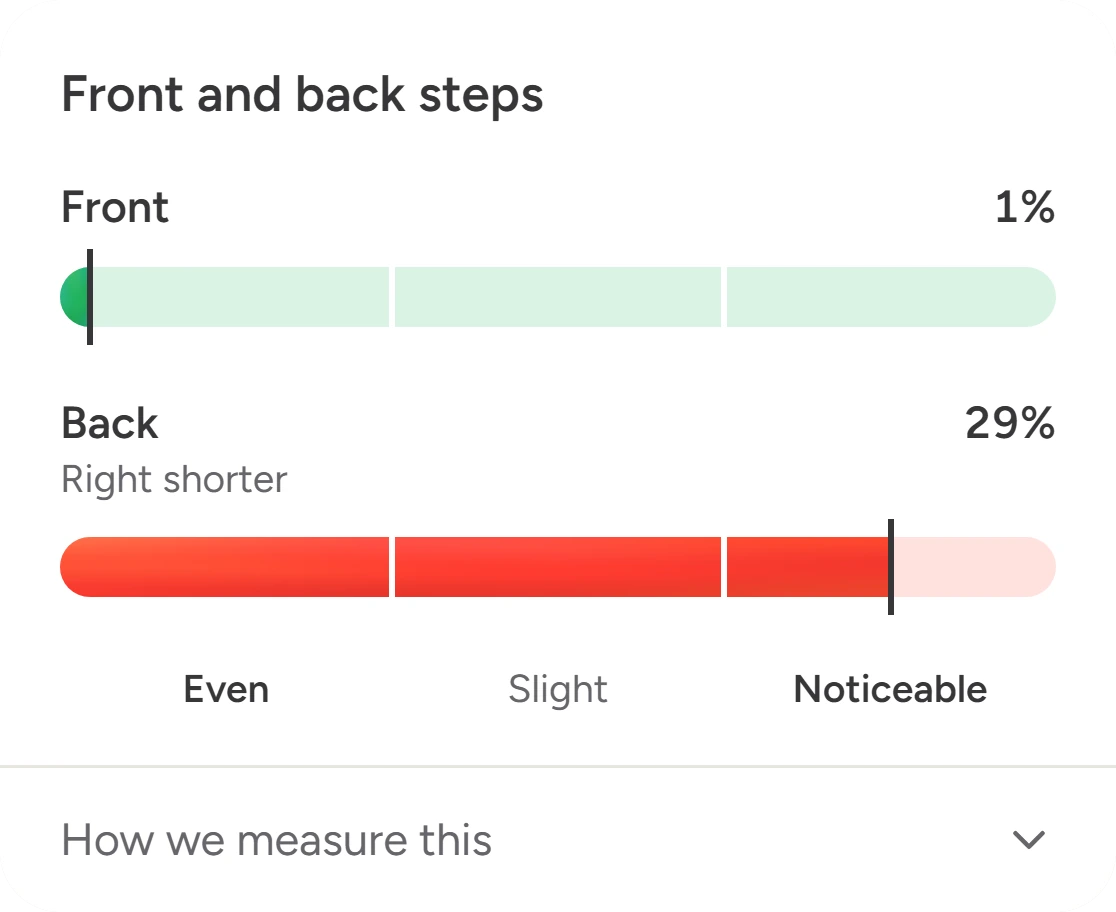
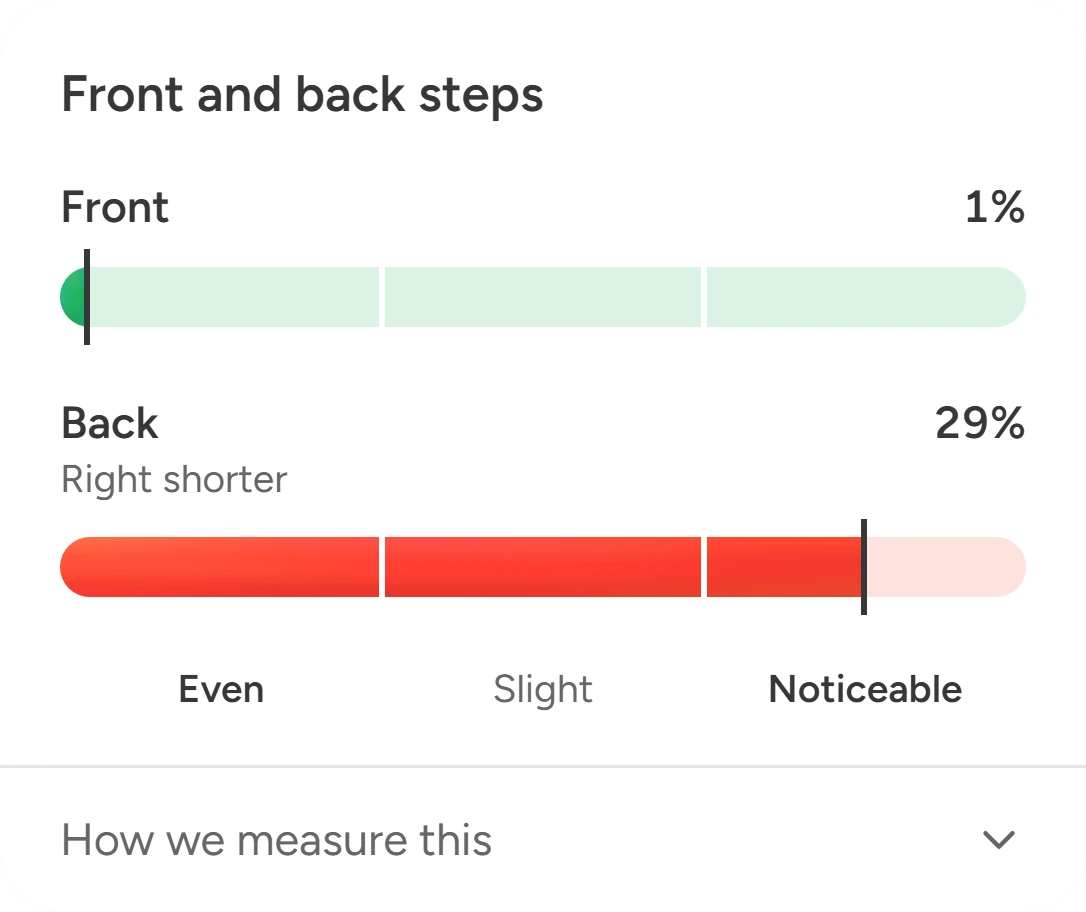
      How far each leg reaches compared with the leg opposite. Shorter steps on one side can mean the legs aren’t sharing the walk evenly.

  2. Joint movement

    • Joint range

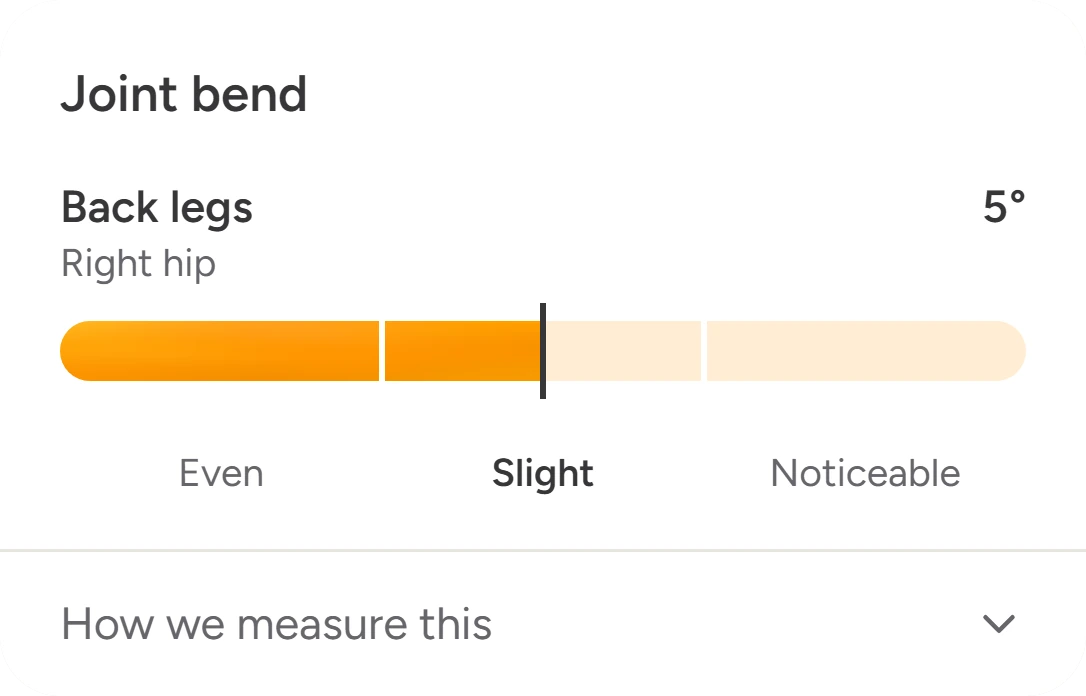
      How far each joint bends compared with the same joint on the other side. A joint that bends less on one side is worth noticing across check-ins.

  3. Paw placement

    • Paw placement

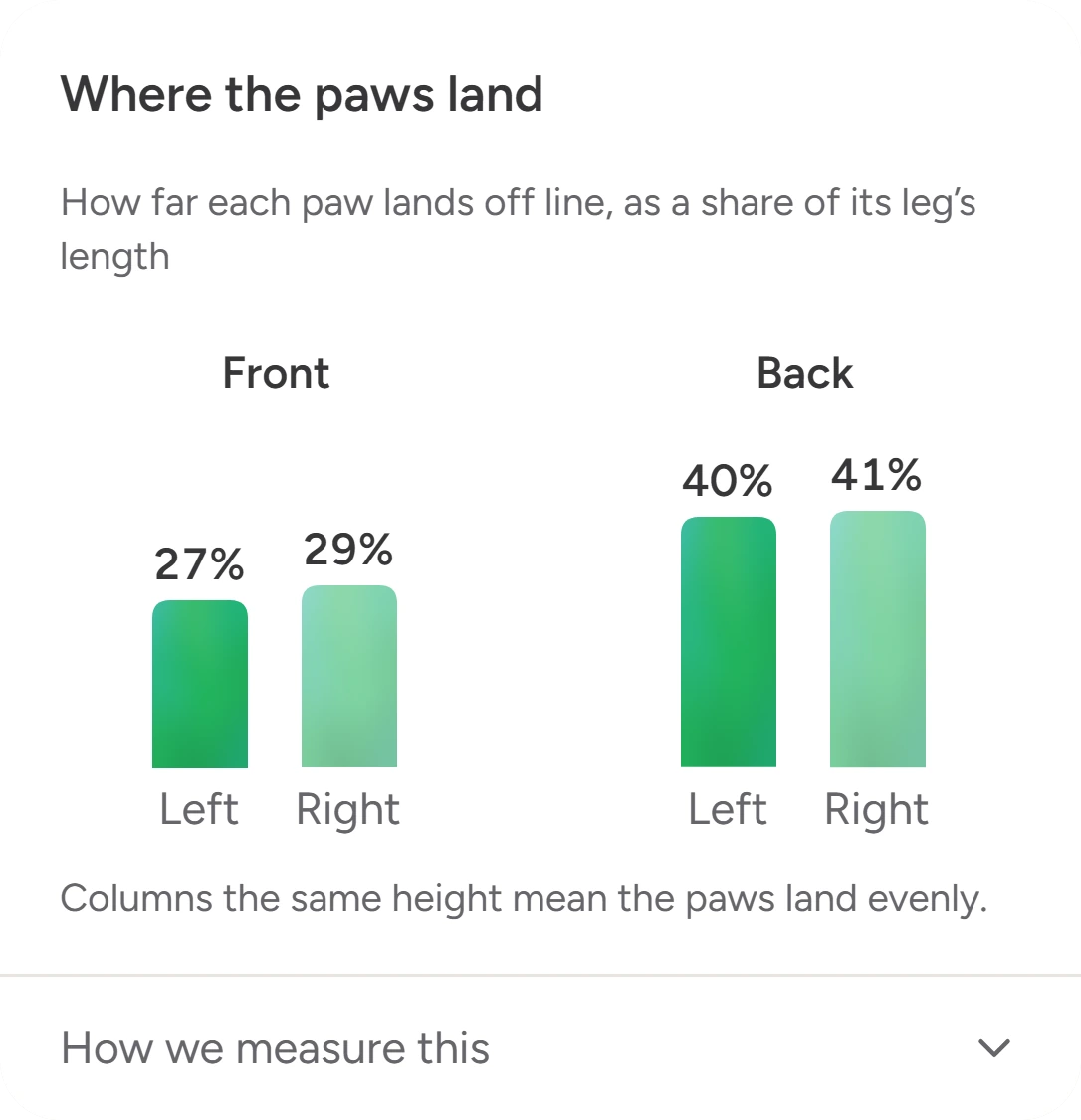
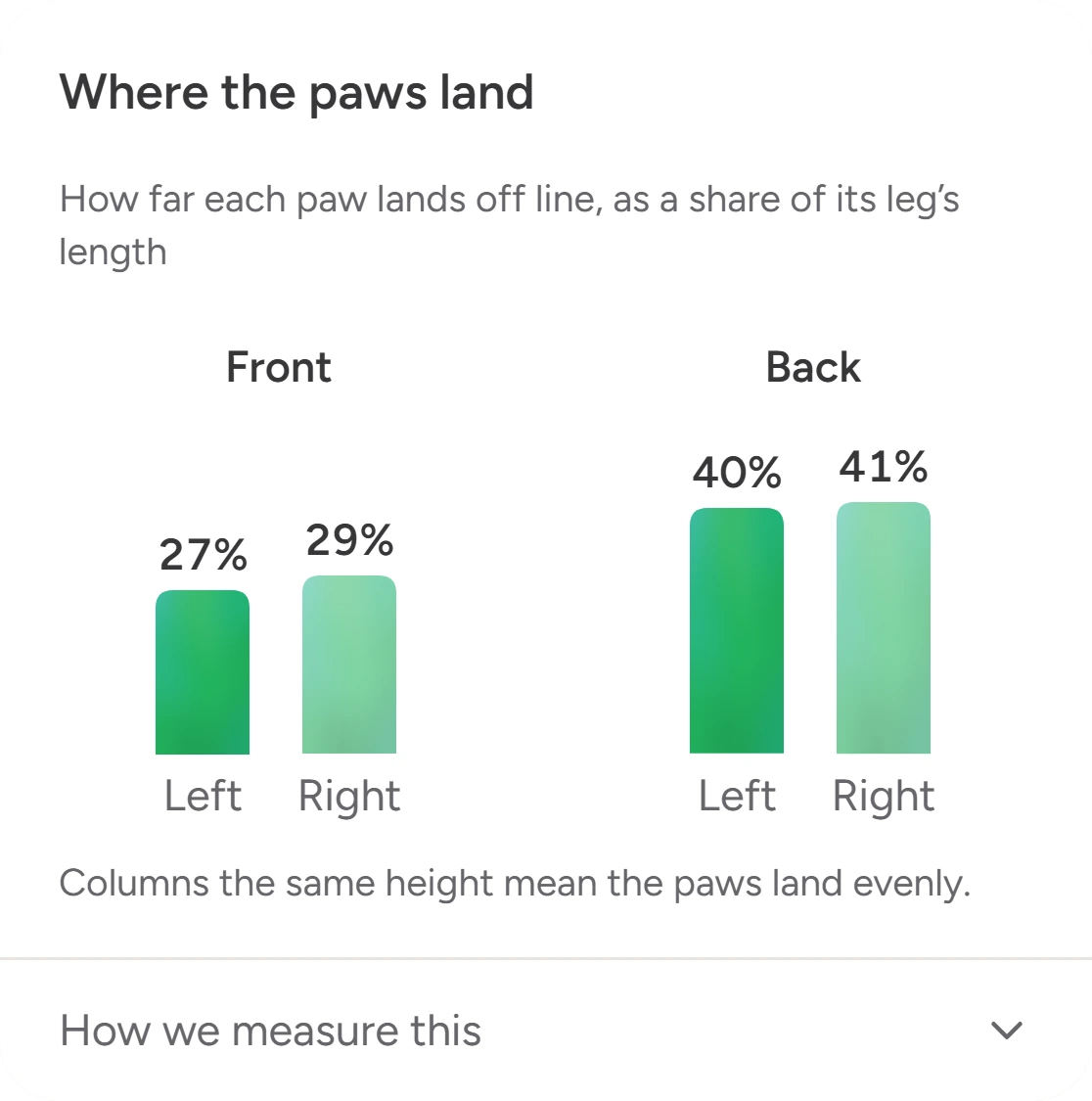
      Where each paw lands compared with the paw opposite. Paws that land off line can mean weight is shifting from side to side.

    • Leg swing

      Whether each leg swings straight forward. A leg that swings out to the side is worth noticing and comparing next time.

  4. Walking rhythm

    • Step rhythm

      How evenly each step follows the last, allowing for the pace of the walk. An uneven beat is worth noticing if it shows up again.

  5. Movement score

    One number shows the whole walk, and each area shows where a change comes from.

One Framework, Four Parts

  • Movement

    How the dog walks and trots.

    • Stride length and symmetry
    • Active range of motion
    • Weight-bearing
    • Speed-adjusted gait
    • Head bobbing
    • Hip hike
    • Paw placement
    • Scuffing and knuckling
    • Circumduction
  • Posture

    Coming soon

    How the dog stands at rest.

    • Symmetry
    • Weight distribution
    • Base of support
    • Limb position
    • Paw position
    • Stability
    • Spinal alignment
    • Pelvic tilt and symmetry
    • Muscle mass symmetry
  • Transitions

    Coming soon

    How the dog sits, rises and turns.

    • Ease of rising
    • Symmetry (sit-to-stand)
    • Push-off power
    • Weight shift
    • Forelimb assist
    • Coordination
    • Speed of rise
    • Sit posture
    • Splaying
    • Turning
  • Neurological

    Coming soon

    Signs of pain, stress and nerve involvement.

    • Stress and anxiety
    • Pain behaviour
    • Neurological gait
    • Compulsive behaviour
    • Post-ictal disorientation

The Readings Behind the Scores

Three of the many measurements we take.

Joint range of motion

How far the joint bends and straightens with each step. A joint that moves less than its partner, or less than at its last check-in, can point to pain or stiffness.

Right Stifle (Knee): the joint angle over 2.5 seconds, from 81 degrees at full flexion to 118 degrees at full extension, over 6 full cycles.
Stance and swing

Stance is the paw on the ground, from landing at its furthest reach forward to lift-off at its furthest reach back. A sore leg often spends a smaller share of each stride in stance, so its duty factor drops.

Right Hind paw over 2.5 seconds: on the ground for 47 per cent of each stride, the median over 5 whole strides.

Head bobbing

A dog sore on a front leg lifts its head as that leg lands, so the head bobs with every step. A steady head is what a vet hopes to see.

Head Height: head height against the withers over 2.5 seconds, from 9 per cent of shoulder height above its average to 10 per cent below.
See more of the app

Built with Clinical Input

Dr Ricky Jhauj, Doctor of Physiotherapy in Canine Rehabilitation

Visit his website (opens in a new tab)

Why Measure Movement Early

The Team

  • Paul Dunn

    Founder and CEO

  • Dr Ricky Jhauj

    Clinical Lead and Co-Founder

  • Grant Li

    Co-Founder, AI Infrastructure

  • Umair Tariq Salam

    Co-Founder, ML and Computer Vision

Get in Touch